

Varanasi – Kaashi – Gaya – Ayodhya
🛕 Day 1 – Arrival in Varanasi
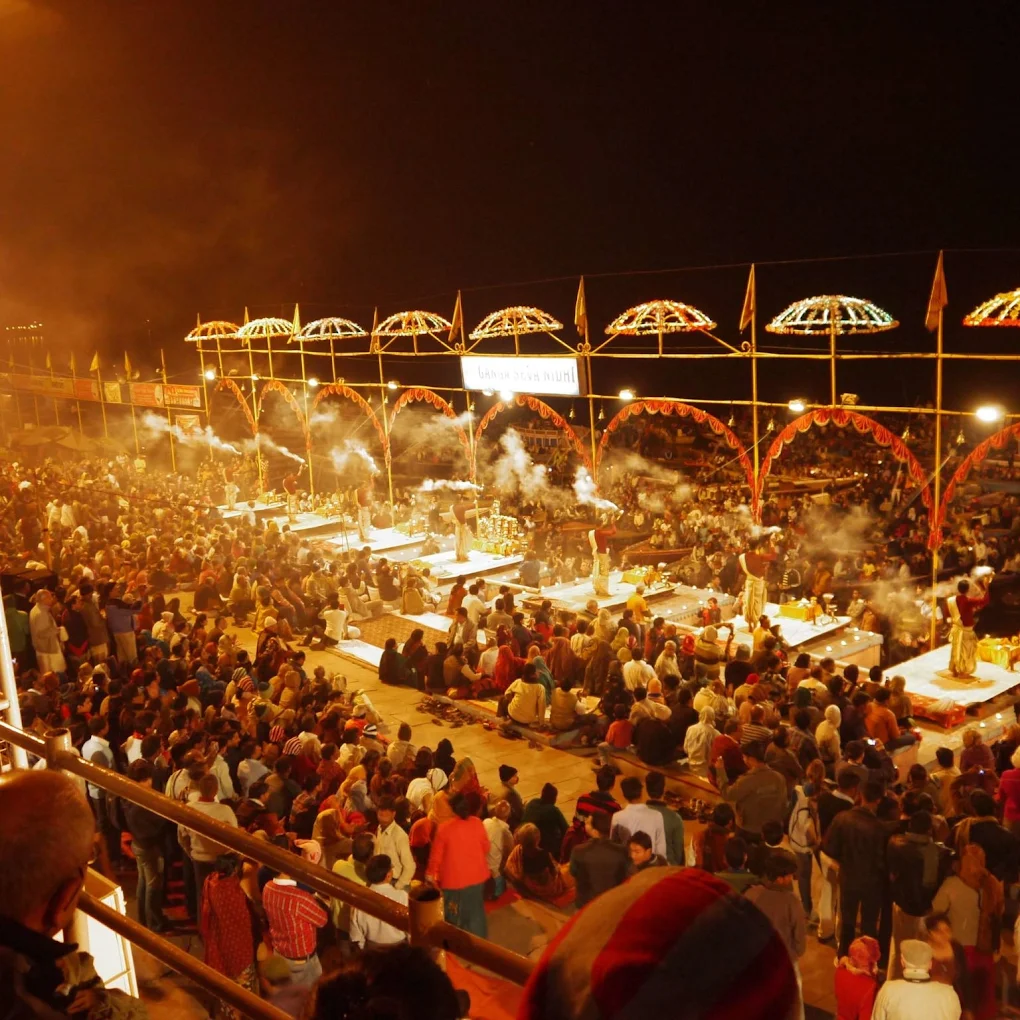
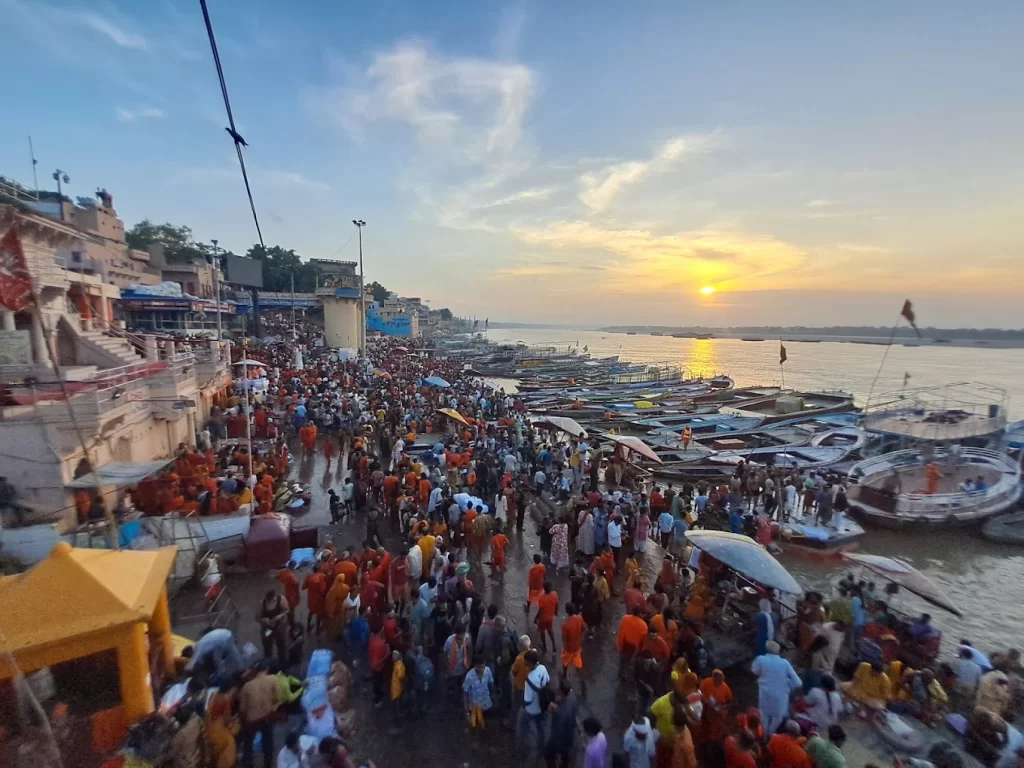
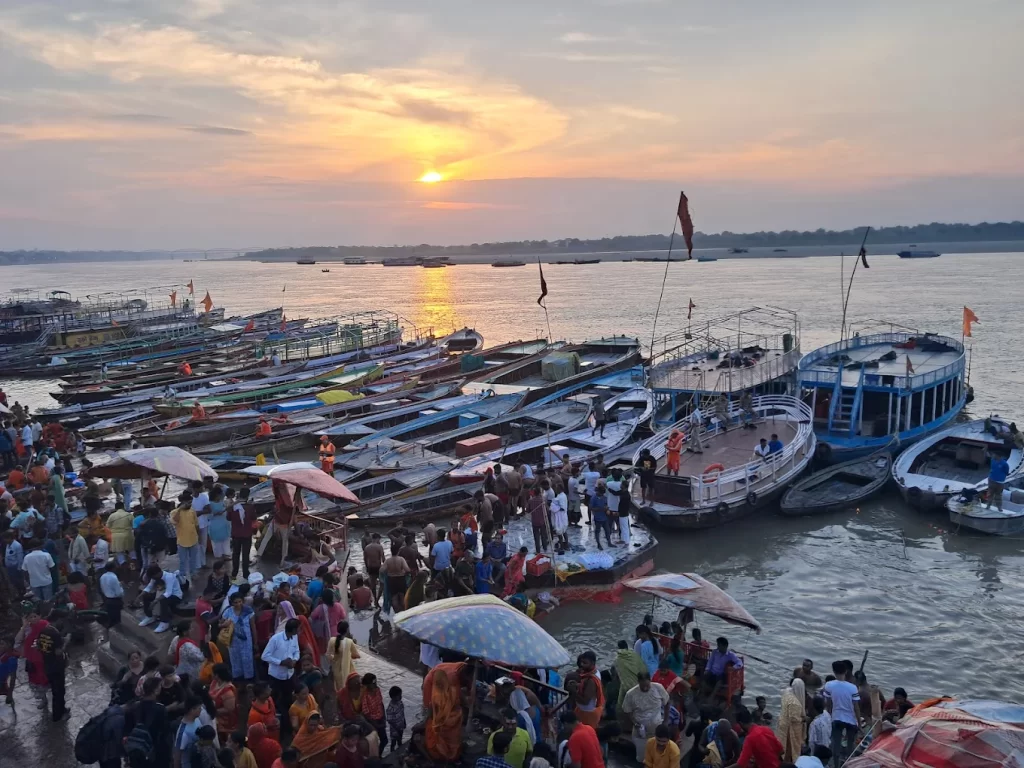
• Ganga Aarti Boat Ride (Dashashwamedh Ghat)
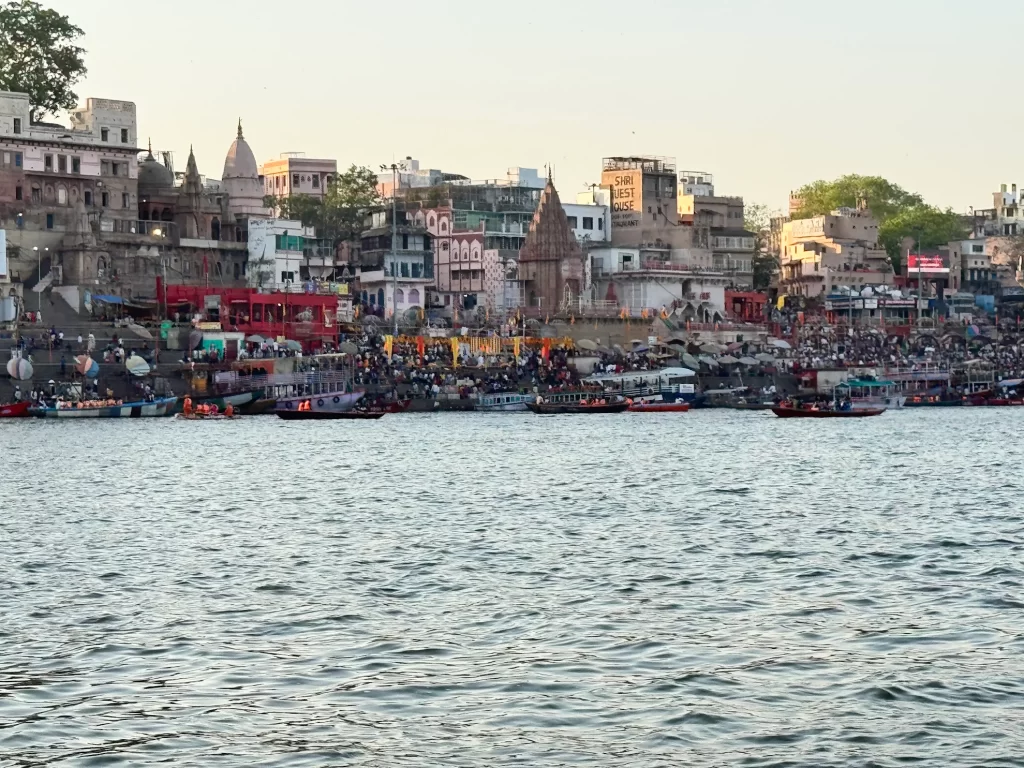
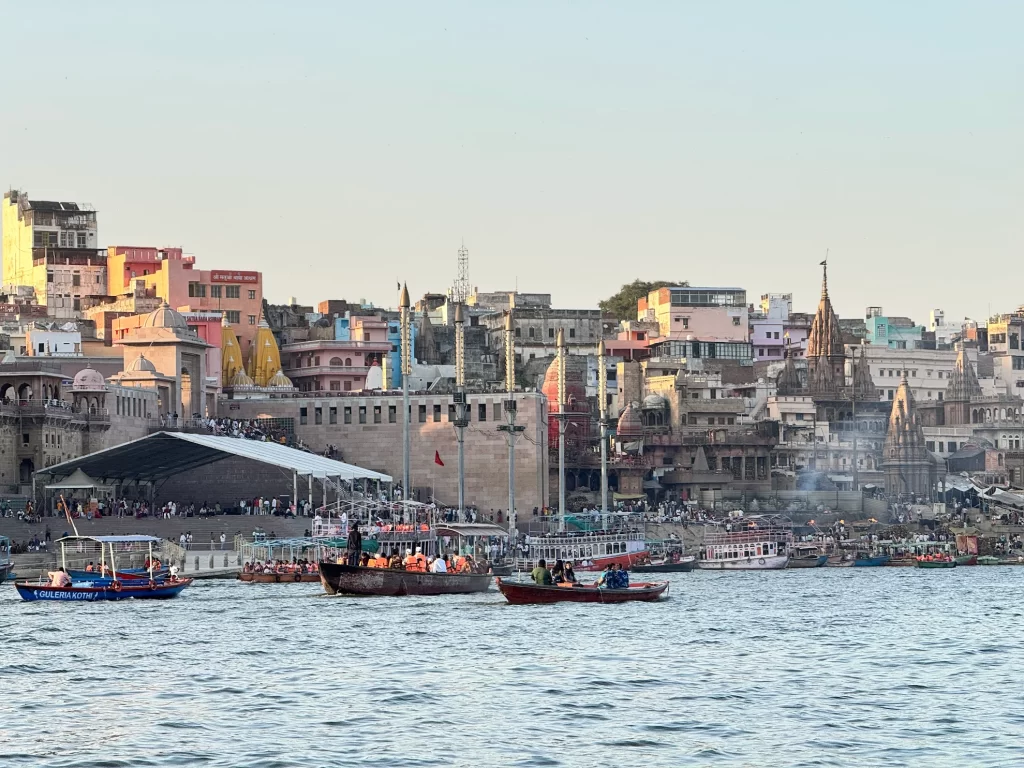
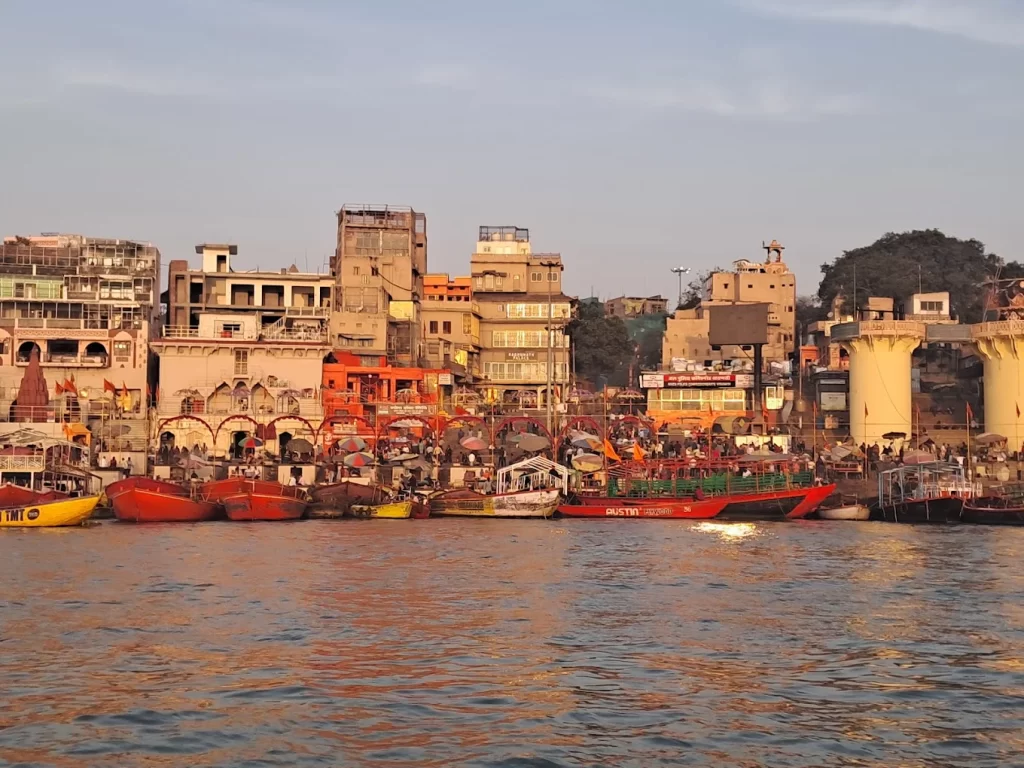
An iconic ritual on the banks of the Ganges, where priests perform synchronized prayers with lamps and chants at sunset. Witnessing this from a boat offers a divine view of the illuminated ghats and the sacred river — an unforgettable experience symbolizing the eternal bond between life and spirituality.
🛕 Day 2 – Sacred Varanasi
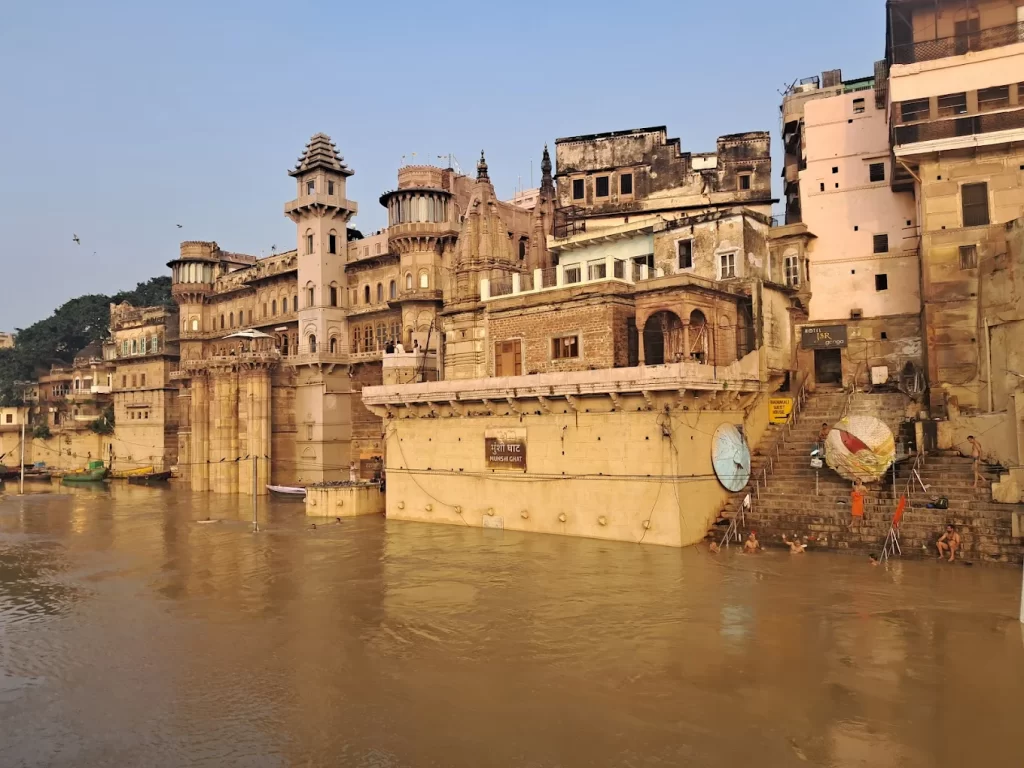
• Ganga Snanam & Pind Pradhanam
Taking a holy dip in the Ganga is believed to purify the soul and wash away sins. Pind Pradhanam is a Hindu ritual to offer respect and salvation to ancestors, performed with devotion along the riverbank.
• Kashi Vishwanath Temple
One of the Twelve Jyotirlingas of Lord Shiva, this temple is the spiritual heart of Varanasi. It attracts millions of devotees who seek blessings and liberation (moksha).
• Annapurna Temple
Dedicated to Goddess Annapurna, the goddess of food and nourishment. It symbolizes abundance and gratitude for sustenance.
• Vishalakshi Temple
One of the Shakti Peethas, dedicated to Goddess Vishalakshi, an incarnation of Goddess Parvati. Devotees believe that praying here fulfills wishes and grants divine grace.
• Shopping Centre in Varanasi
Varanasi is famous for its Banarasi silk sarees, brassware, wooden toys, and spiritual souvenirs. The bustling bazaars near Godowlia and Vishwanath Gali are worth exploring.
🕉️ Day 3 – Bodhgaya (Journey from Varanasi to Gaya/Bodhgaya)
• Bodhgaya City Tour
Bodhgaya is one of Buddhism’s most sacred sites — the place where Prince Siddhartha attained enlightenment and became Buddha.
• Great Buddha Statue
A 25-meter-high stone statue depicting Lord Buddha in a meditative pose, surrounded by smaller sculptures of his disciples.
• Karma Temple
A peaceful Buddhist temple built by devotees from Bhutan, representing the Karma Kagyu sect. Known for its serene environment and unique architecture.
• Thai Temple & Buddha Main Temple (Mahabodhi Temple)
The Thai Temple showcases intricate Thai-style architecture and beautiful gardens.
The Mahabodhi Temple, a UNESCO World Heritage Site, marks the exact location of Buddha’s enlightenment beneath the Bodhi Tree — a deeply spiritual experience for visitors.
🛕 Day 4 – Gaya and Return to Varanasi
• Vishnupad Temple (Gaya)
An ancient temple dedicated to Lord Vishnu, built over a footprint believed to be that of Vishnu himself. It’s a key site for performing Pind Daan rituals for ancestors.
After rituals, travelers return to Bodhgaya for breakfast and then journey back to Varanasi.
🌊 Day 5 – Prayagraj and Ayodhya
• Triveni Sangam (Prayagraj)
A sacred confluence of the Ganga, Yamuna, and the mythical Saraswati rivers. A boat ride and puja here are believed to cleanse all sins and grant spiritual peace.
• Hanuman Temple (Prayagraj)
Located near the Sangam, this temple houses a unique reclining idol of Lord Hanuman submerged partially in water during the monsoon.
• Anand Bhavan
The ancestral home of Jawaharlal Nehru, India’s first Prime Minister. Now a museum, it showcases artifacts from India’s freedom struggle and the Nehru family’s history.
After lunch, travel to Ayodhya, the birthplace of Lord Rama.
🕉️ Day 6 – Ayodhya & Departure
• Ayodhya City Tour (5 AM)
Ayodhya, one of the seven holiest cities in Hinduism, is filled with sacred sites linked to Lord Rama’s life.
• Ram Janmabhoomi
The revered site believed to be Lord Rama’s birthplace, now home to the grand Shri Ram Mandir, recently constructed and a major pilgrimage center.
• Saryu River Pathar Cutting
A scenic spot by the holy Saryu River, associated with the life of Lord Rama and famous for serene views and local artisans’ stone carvings.
• Sita Rasoi
A small shrine marking the traditional kitchen of Goddess Sita, symbolizing her role as a devoted wife and nurturer.
After breakfast and hotel checkout, travelers return to Varanasi Airport, concluding the pilgrimage.